Cognition Method: a gravity-bending, atmospheric first-person puzzle
Cognition Method, from Team Cognition, places players inside a mysterious cosmic structure called the Cube to solve physics-driven puzzles and uncover a philosophical narrative. The game centers on gravity-altering mechanics that let you flip orientation and traverse non-Euclidean spaces, while handcrafted levels lean on silence and solitude to build mood. Designed for fans of Portal and The Talos Principle, it targets players who prefer contemplative, puzzle-focused exploration over fast action.
What kind of game is Cognition Method?
Cognition Method is a story-led, first-person puzzle adventure that blends exploration with mechanical puzzles, set inside an alien structure known as the Cube. The core loop asks you to inspect environments, manipulate gravity, and solve spatial problems. Narrative emphasis is philosophical science fiction, and the intended player objective is investigation and interpretation rather than combat or resource management.
Does it have a multiplayer mode and how do mechanics shape play?
The game is single-player only, focusing on individual problem solving. Its signature mechanic lets players change gravity to reorient rooms, which affects movement and object interaction. Levels use non-Euclidean geometry to create paradoxical paths, so progression depends on mastering perspective shifts and the physics rules the game imposes rather than timed reflexes or multiplayer tactics.
What does the game look and sound like?
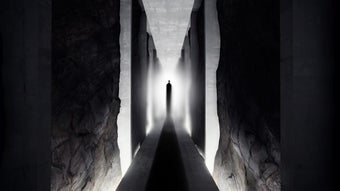
Visual design channels brutalist architecture and classic sci-fi, supported by an environment artist with a background on Cyberpunk 2077, producing high-fidelity, liminal spaces. Sound design emphasizes silence and atmosphere, using audio sparsity to heighten tension and focus attention on environmental cues. The interface stays minimal so the world supplies most narrative context through placement and visual detail.
Is it hard to get started and what keeps you coming back?
Onboarding centers on learning gravity manipulation, so initial difficulty comes from adapting to shifting floors and ceilings rather than complex controls. The game offers multiple endings tied to exploration choices, which provides replay value for players who enjoy interpreting branching conclusions. The demo titled 'Initiation' supplies an early sample of these mechanics and atmosphere to judge fit before longer play sessions.
In summary, Cognition Method fits contemplative players who enjoy spatial puzzles
The game is a considered choice for players who appreciate slow-burn, puzzle-driven exploration and philosophical science fiction. Its emphasis on atmosphere and perspective-based problem solving rewards patient play and close observation. Players seeking fast-paced action or conventional level-based progression may find the experience quieter and more interpretive than expected.